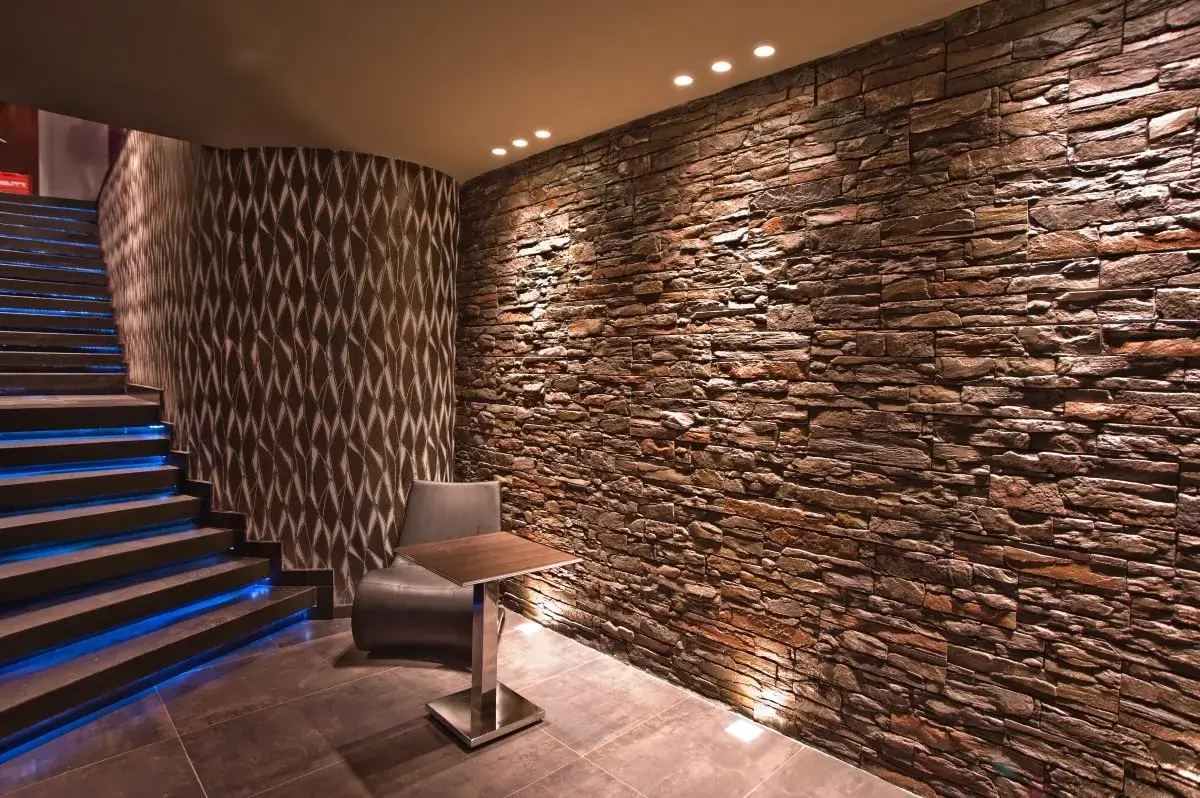


Basalt and andesite are two volcanic natural stone types commonly used outdoors. Both are durable building stones, but they differ in color, density, surface texture and design character. Basalt stands out with dark grey to black tones, high hardness and a modern appearance. Andesite can be found in grey, pink and reddish tones, creating a warmer architectural feeling in paving and cladding applications.
Basalt stone is a strong option for heavy pedestrian traffic, vehicle areas, kerbs, parking lots, urban squares and slip-resistant outdoor paving. Andesite stone is often preferred for parks, gardens, wall cladding, walkways and public spaces because of its natural texture. Antique basalt, diabase and decorative natural stone products can also be used to add character to transitions and detail areas.
Sandblasting, bush hammering, splitting, honing and aging change slip resistance, color perception and cleaning needs. With the right finish, basalt paving keeps its performance for many years. In andesite cladding, color harmony and joint details directly affect the quality of the project.
Stone selection should not be based on color alone. Climate, floor load, application area, size, thickness and maintenance routine should be evaluated together. Emre Stone helps define the right technical and aesthetic solution with basalt, andesite and other natural stone alternatives.